Is Underseat Luggage a Personal Item?
Underseat luggage can count as your personal item if it fits the airline’s personal-item size limit and the available space under your seat. The bag’s label alone doesn’t guarantee it will qualify.
On this page (6 sections)
Underseat luggage can be a personal item if it fits the airline’s personal-item size limit and the space under your seat. “Underseat” describes where a bag is intended to go; it doesn’t guarantee the airline will accept it as your personal item.
Check the rules for your airline, ticket, and flight before packing. Measure the bag with its wheels and handles, then compare those dimensions with the airline’s personal-item limit.
Is underseat luggage a personal item on every airline?
No, underseat luggage isn’t automatically a personal item on every airline. The airline sets the bag allowance and size rules, and the space under a seat can vary by aircraft.
Some airlines allow a personal item plus a separate carry-on, while others may have different allowances based on ticket type. Check the baggage rules that apply to your booking, including whether a carry-on is included.
An underseat bag can serve as your personal item when it meets the relevant size rule and fits in the assigned space. If it’s too large, the airline may require you to place it elsewhere or handle it under a different baggage allowance.
How do personal items differ from carry-ons?
A personal item is intended to fit under the seat, while a carry-on may need to fit in an overhead bin. The airline’s rules determine each bag’s permitted size and whether your ticket includes both.
Don’t assume a bag labeled “carry-on” or “underseat” qualifies for a specific allowance. Check the exact measurements and rules for your flight, especially if you’re traveling on a ticket with limited baggage.
If you’re comparing compact bags, our guide to best underseat carry on luggage covers options intended for this kind of travel. Use it as a starting point, then verify the dimensions against your airline’s current requirements.
How do you check whether an underseat bag will fit?
Compare the bag’s full outside dimensions with the airline’s personal-item limit. For a starting point, review underseat luggage dimensions.
Include wheels, handles, and anything that sticks out, then consider that the available seat space can differ by aircraft.
Measure a soft bag when it’s packed as you plan to travel. Overfilled pockets or bulging sides can increase its depth or width.
A bag’s advertised fit language isn’t a promise that it will fit every seat. TPRC notes that underseat space varies by aircraft and advises checking the size guide before travel.
Do bag wheels and handles count?
Measure the bag with its wheels and handles included. A bag can exceed a limit even when its main compartment appears small enough.
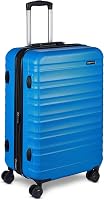
For example, the Amazon Basics Underseat Carry-On measures 13.4 x 14.2 x 9.5 in including its wheels. That gives you concrete dimensions to compare with your airline’s rules, but it doesn’t confirm a fit on every aircraft.
The bag is designed for underseat or overhead-bin use and has a sleeve to attach it to larger luggage. Check how those features fit your trip, and measure the packed bag before leaving.
Does “fits most airlines” mean it will fit your flight?
No, “fits most” still leaves room for exceptions. Airlines, aircraft, seats, and baggage rules differ, so confirm the requirements for your specific itinerary.
The TPRC 15-inch Smart Underseat Carry-On lists dimensions of 14 x 15 x 8 in and says it is designed for most major airlines, including American, Delta, United, and Southwest. It also says it isn’t recommended for Spirit, Frontier, or other ultra-low-cost carriers.
Treat that guidance as a prompt to check your airline, not as a guarantee. If your seat has limited clearance or the airline has a strict size limit, choose a bag that stays within the stated measurements.
Which bag features matter for an underseat personal item?
Start with dimensions and how you’ll carry the bag; organization and extra features come next. Pockets, wheels, straps, and charging access can make a bag more useful, but they don’t change the airline’s size limit.
A wheeled bag can reduce the effort of carrying belongings through an airport, but the wheels add to its outside size. A tote avoids wheels, though you’ll carry it by hand or shoulder.
The Travelpro Maxlite 5 Softside Lightweight Underseat Carry-On is a tote with overall dimensions of 11 x 18 x 8 in and a weight of 1.6 lb. Travelpro says it’s designed to fit under the seat of most major airlines.
It has a rear strap for stacking on larger luggage, a top handle, and a removable padded shoulder strap. Compare its measurements with your airline’s limit and consider how you’ll carry it through the airport.
For more options focused on lower bag weight, see best lightweight underseat luggage. If you prefer to compare brands, browse best Samsonite underseat luggage and best Travelpro underseat luggage.
What should you check before boarding?
Confirm your allowance and measure your packed bag before you leave for the airport. Keep the bag within the airline’s size limit and avoid packing it so full that its sides bulge.
Check your booking for the number of bags allowed and any size or weight limits. If your flight changes or uses a different aircraft, review the rules again.
Keep essential items accessible in case you need to move the bag or take something out. If you’re unsure where a bag belongs at check-in, our guide to how to check luggage at the airport explains the process.
How can you choose the right underseat bag?
If you need an underseat personal item, choose by your airline’s dimensions first, then by how you want to carry and organize it. A compact roller offers wheels and compartments, while a light tote can avoid the added size of wheels.
The Amazon Basics bag offers dimensions that include its wheels, the TPRC roller lists airline-specific guidance, and the Travelpro tote weighs 1.6 lb. Compare each bag’s outside measurements with your own flight’s rules before deciding.
Start with the best underseat carry on luggage if you want to compare more bag options. Your airline’s current baggage rules and the available space on your flight make the final call.
Frequently asked questions
Is underseat luggage always a personal item?
No. An underseat bag counts as a personal item only when it meets the airline’s personal-item rules and fits under the seat on your flight.
Check the airline’s current size limit, include wheels and handles in your measurements, and allow for aircraft differences.
Can underseat luggage count as a carry-on?
It may count as your carry-on if it meets the airline’s carry-on rules, but airlines distinguish carry-ons from personal items. Check which bag allowance applies to your ticket and whether the bag must go under the seat or in an overhead bin.
Do wheels and handles count in personal-item dimensions?
Airlines may measure the whole bag, including wheels and handles. Compare the outside dimensions with the airline’s current limit and measure your packed bag, since soft sides can bulge and make it larger than its empty dimensions.
What if my underseat bag does not fit?
If the bag won’t fit under the seat, follow the crew’s instructions; it may need to go in an overhead bin or be checked, depending on the flight and your allowance. Check your airline’s baggage rules before travel, and see our guide to how to check luggage at the airport.