Carry-On vs Checked Luggage: Which Should You Choose? (November 2026)
Choose carry-on luggage for a short trip and quick access, or checked luggage when you need more room and can wait for your bag. Your airline, itinerary and packing needs should decide which one you bring.
On this page (11 sections)
- Carry-on luggage vs checked luggage: which should you choose?
- What matters most in a carry-on or checked bag?
- When is checked luggage the better fit?
- When should you keep everything in a carry-on?
- Can you bring checked luggage and a carry-on?
- How do you check bag size and weight?
- Which luggage setup suits common itineraries?
- What are the trade-offs of checked luggage?
- What are the trade-offs of carry-on luggage?
- How do you choose a carry-on suitcase?
- What is the simplest decision rule?
Choose carry-on luggage for a short trip and quick access, or checked luggage when you need more room and can wait for your bag. The right choice in the carry on luggage vs checked decision depends on your airline's rules, itinerary and packing needs.
A cabin bag stays with you through the airport and can keep essentials close. A checked suitcase travels in the hold, so you can pack more but may need to wait at baggage claim.
Neither option fits every trip. Compare bag limits for each flight, what you need to carry and the consequences if your bag is delayed.
 Best for organized cabin packing
Samsonite Freeform Hardside Carry-On Luggage with Spinner
 Best for expandable cabin space
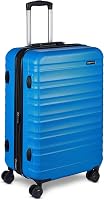
Amazon Basics 21" Hardside Carry-On Luggage
Carry-on luggage vs checked luggage: which should you choose?
Choose a carry-on when your essentials fit within your airline's cabin limits; choose a checked bag when you need more capacity. Consider access and airport time along with size.
Carry-on sizes are set by airlines, and rules can vary by route, fare and aircraft. A bag's stated dimensions don't guarantee that it will fit every cabin allowance.
Checked bags have their own size and weight limits. Check your carrier's current allowance, including any limits for connecting flights.
What matters most in a carry-on or checked bag?
Your itinerary and the items you need matter more than the bag label. Start with the longest part of the trip and the strictest baggage rule on your route.
How many days are you packing for?
A carry-on can work for a short trip when you can pack lightly and reuse clothing. It may also suit a longer trip if your plans allow frequent laundry and you can keep essentials compact.
Choose checked luggage when your trip needs extra outfits, bulky items or gear that won't fit in your permitted cabin bag. Our guide to choosing the best checked luggage size can help you compare capacity with the airline's limits.
Packing needs vary by season and plans. A week of light city travel may need less room than a shorter trip with formal wear, sports equipment or several pairs of shoes.
Do you need things close at hand?
A carry-on keeps your packed items with you, which can be useful for medication, a change of clothes or work equipment. Keep essential items in a personal item or other bag that fits your airline's allowance.
Checked luggage gives you less access to its contents during the flight. Pack fragile or time-sensitive essentials according to the airline's rules, and keep anything you'll need during a connection in your cabin bag.
Think through a delay before you choose. If waiting for checked luggage would disrupt a connection or leave you without an important item, packing that item in an allowed cabin bag may reduce the problem.
Will you have several flight segments?
A direct flight makes the bag handoff simpler, though it doesn't guarantee a checked bag will arrive on time. With connections, confirm how your airline handles checked bags and whether you need to collect and recheck them.
A carry-on avoids a baggage claim stop when you can keep it in the cabin. But crowded flights may require some cabin bags to be checked at the gate, so keep vital items accessible.
When is checked luggage the better fit?
Checked luggage is a better fit when you need more packing room or are carrying items that aren't suitable for the cabin. Check the carrier's size, weight and item rules before you pack.
A larger suitcase can suit long trips, cold-weather clothing and trips with several planned activities. Check the best checked luggage bags if you want to compare bag options by your needs.
Leave some room for what you may bring home. A suitcase that is already full can make the return trip harder, even when it met your outbound needs.
Some travelers use checked luggage to keep the cabin bag light. If you're adding a small bag too, make sure your ticket allows it and plan how you'll move both through stations, stairs and transfers.
When should you keep everything in a carry-on?
A carry-on makes sense when you can pack within your airline's cabin allowance and want your belongings nearby. It can also reduce the number of bags to collect and manage.
For a short trip, pack outfits that work together and limit backup items. Keep liquids and other restricted items within current security rules, which can differ by airport and route.
Weight still matters, especially if you'll lift the bag into an overhead bin. Compare the empty weight with what you plan to pack, and choose a bag that you can handle comfortably.
If budget is a key factor, compare the best cheap carry-on luggage after checking its full dimensions against your airline's limit. For less weight to lift and roll, see lightweight carry-on luggage options.
Can you bring checked luggage and a carry-on?
You can bring both when your ticket and airline allowance permit it. Check whether your fare includes a checked bag, a carry-on and a personal item, since those are separate allowances.
Measure each bag and confirm any weight limit. If two airlines operate your itinerary, check the rules that apply to each flight rather than relying on the first carrier's policy.
If you'll carry a personal item as well as a suitcase, make sure it fits under the seat and that you can manage all your bags while boarding. Keep documents, medication and valuables in the bag that stays with you.
How do you check bag size and weight?
Measure the bag's outer dimensions and compare them with the exact airline limit. Include wheels, handles and anything else that sticks out.
For checked luggage, some airlines express total size as linear inches. Learn what linear inches mean for checked luggage so you can add height, width and depth correctly.
Weigh your packed suitcase before leaving. A bag that's within the size limit can still exceed the airline's weight allowance, and limits may differ by route or fare.
Don't rely on a general "carry-on size" or "checked size" label. When in doubt, use the carrier's current baggage page for your ticket and flight.
Which luggage setup suits common itineraries?
Match your setup to how much you need, how often you'll change transport and how costly a delay would be. These common patterns can help you choose.
Short city break
A carry-on often suits a short trip if your clothes and essentials fit within the cabin allowance. A compact option can reduce the bags you handle on trains, buses and hotel stairs.
The Samsonite Freeform has a 34 L capacity, an interior divider, elastic straps and a pouch. Those features make it a candidate for organized carry-on packing, subject to your airline's size rules.
Work trip with a tight connection
A carry-on keeps work items and a change of clothes near you, which may help if a checked bag is delayed. Confirm cabin allowance on every segment, especially if your itinerary uses different carriers.
The Amazon Basics 21-inch carry-on expands up to 25% and has a divider with three zippered pockets. Check the expanded size before relying on it for cabin use.
Longer trip with a personal item
A carry-on and personal item can work if your plans allow a compact wardrobe and both bags meet the rules. Keep the personal item light enough to carry alongside the suitcase.
The UKEIN set includes a 20-inch suitcase, an 18-inch backpack and a toiletry bag. Its backpack sleeve attaches to the suitcase handle, which may help when moving the set together.
Trip with room for souvenirs
A checked suitcase may be more practical if you expect to bring back purchases or need room for bulky clothing. Review checked luggage on sale to compare suitable options, then verify the exact bag's measurements and airline allowance.
Avoid packing valuables or essentials in the hold if you need them during travel. A small cabin bag can hold the items you want close, if your ticket permits it.
What are the trade-offs of checked luggage?
Checked luggage gives you more room but requires a handoff and collection at the airport. Decide whether the added capacity is worth the extra steps for your itinerary.
You may need to check in earlier, wait at baggage claim and carry the suitcase after arrival. On trips with rail or bus connections, a larger bag can also be harder to lift and store.
A checked bag can still be the practical choice for a long trip. Pack a small set of essentials in a personal item in case the suitcase is delayed.
What are the trade-offs of carry-on luggage?
Carry-on luggage reduces the need to collect a checked bag, but it limits what you can pack and may be heavier to lift. Choose it only if the bag and packed weight work for you.
Cabin space can be limited, and airlines may ask travelers to check a bag at the gate. Keep your most important items in a personal item that stays with you.
A compact case also needs careful packing. If you have to force the zipper or exceed the allowance, a checked bag may make the trip easier.
How do you choose a carry-on suitcase?
Choose a carry-on by its complete dimensions, empty weight and interior layout. Check those details against your airline's current rules and your own packing list.
The Amazon Basics 21-inch model with the smaller listed dimensions measures 13.6 x 9.5 x 20.9 inches. Its 32 L capacity and divider with three zippered pockets may suit travelers who want a more compact option, but confirm how the measurements compare with your carrier's limit.
If you prefer a brand known for luggage, compare Travelpro carry-on options. For any model, check whether its dimensions include wheels and handles.
What is the simplest decision rule?
Pick carry-on luggage if your packed essentials fit the cabin allowance and you want them close; pick checked luggage if you need more space and can allow time for bag handling. Check every carrier's rules before you leave.
For an itinerary with both a checked suitcase and cabin bag, confirm your ticket includes both and keep essentials in the bag that stays with you. The best setup is one you can lift, move and pack without exceeding the limits.
Frequently asked questions
Is carry-on luggage better than checked luggage?
Carry-on luggage is better when you want to keep your bag with you and pack within the airline's cabin limits. Checked luggage is better when your trip needs more space or your items won't fit in a cabin bag.
Compare the full itinerary, including connections and the time you can allow for bag collection.
Can I bring a carry-on and checked bag?
Many itineraries allow both, but the number and size of bags depend on the airline, ticket and route. Check the rules for every carrier on your trip, including connecting flights, and confirm whether a personal item is included.
Don't assume a bag allowed on one flight is accepted on every leg.
How do I compare checked bag size limits?
Measure the suitcase's height, width and depth, including wheels and handles, then compare the total with your airline's limit. Some airlines use linear inches, which means adding the three measurements.
See what linear inches mean for checked luggage before measuring.
Should I check luggage for an international trip?
Check luggage when you need more capacity, but first confirm your route's baggage allowance, fees and connection process. Rules can differ between carriers and fare types.
If you want a larger bag, compare options in this guide to checked luggage for international travel.
Does a carry-on save time at the airport?
A carry-on lets you skip bag drop and checked-bag collection when your airline permits it and you can pack within its limits. It doesn't remove security, boarding or connection time, and a full overhead bin may mean your bag is checked at the gate.
Keep essentials accessible either way.